
GUIDES
Coffee Roast Levels Explained — Light, Medium, Dark

Brew Tech Reviewer · The Corner Bundle
If you’re standing in front of a shelf and the bag tells you ‘Medium-Dark roast,’ what does that actually mean for your cup tomorrow morning? Here’s what every roast level tastes like and when to use it.
What ‘roast level’ actually measures
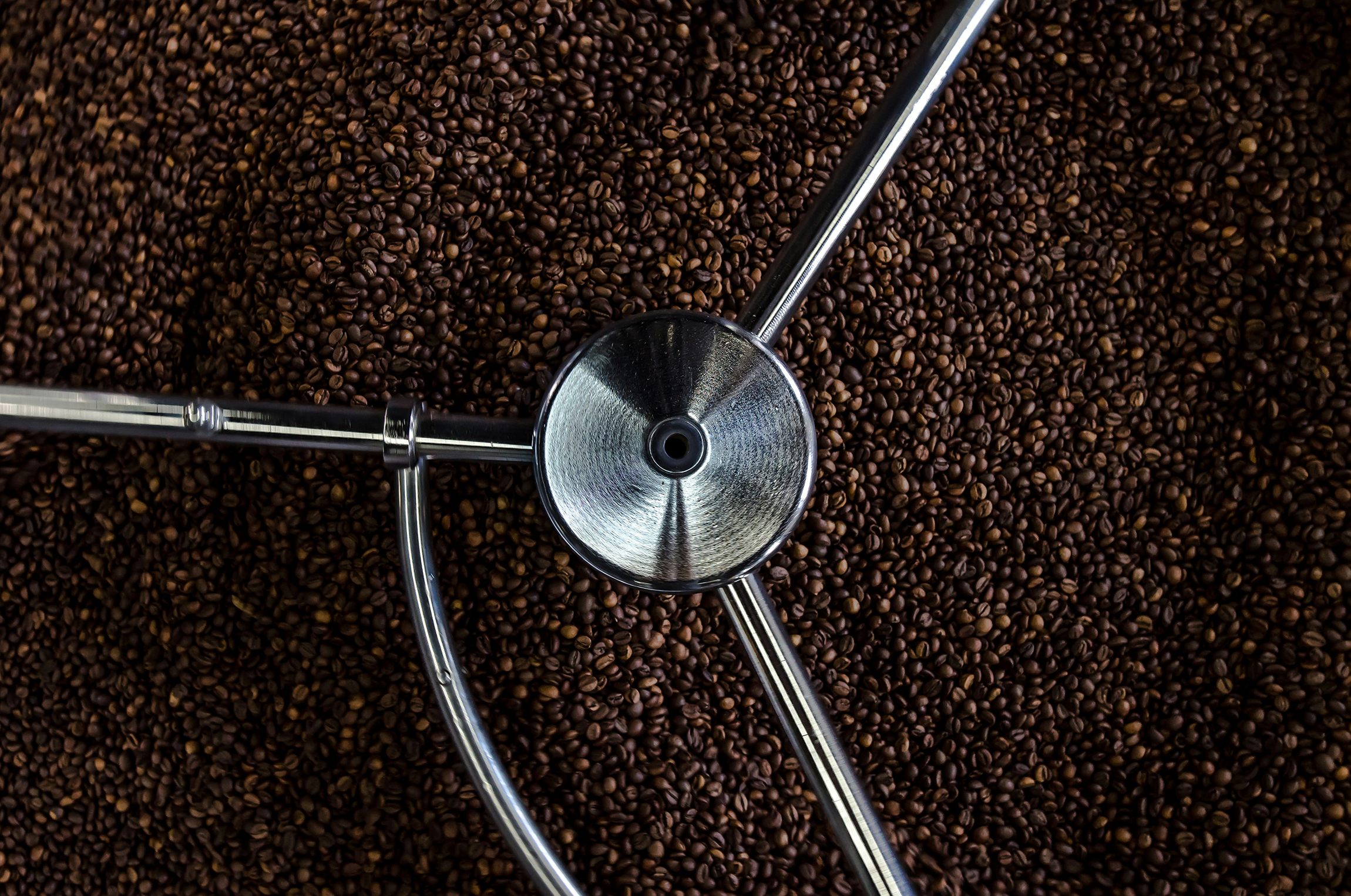
When green coffee beans hit the roaster, they go through a chemical transformation — sugars caramelize, acids develop, oils migrate. Roasters measure the level by bean color (using an instrument called the Agtron) and by time + temperature in the drum.
Three landmarks during roasting:
- First crack (~196°C) — the bean cracks audibly, like popcorn. Light roasts stop here or shortly after.
- Between cracks — medium roast territory. Sweet spot for most home brewing.
- Second crack (~225°C) — louder cracks, oils start coming to the surface. Dark roasts hit or pass this.
The 4 roast levels and what they taste like
| Roast | Color | Flavor | Body | Caffeine | Best for |
|---|---|---|---|---|---|
| Light | Pale brown, dry surface | Bright, acidic, fruity, floral | Light | Highest | V60, AeroPress, filter |
| Medium | Medium brown, dry surface | Balanced, caramel, chocolate | Medium | High | Drip, French press, daily espresso |
| Medium-Dark | Rich brown, slight oil | Bittersweet, full-bodied | Heavier | Medium | Espresso, moka pot |
| Dark | Very dark, oily surface | Bitter, smoky, low acid | Heavy | Lowest | Italian-style espresso, moka |
The two myths worth busting
Myth 1: ‘Dark roast has more caffeine.’ False. Roasting burns off caffeine. A light roast has slightly more caffeine per bean. The difference is small but real.
Myth 2: ‘Espresso has to be a dark roast.’ Italian tradition uses dark, but specialty espresso uses medium and even light roasts. Modern espresso machines extract well from any roast — the choice is about flavor, not necessity.
How to match roast to brew method
- V60 / pour-over: Light to medium-light. The paper filter and slow flow let bright acidity shine.
- French press: Medium. The full immersion needs body, but dark gets muddy.
- Moka pot: Medium-dark to dark. The Italian style; the bean’s bitterness is balanced by the syrupy body.
- Espresso machine: Medium to dark for traditional, light for ‘third-wave’ specialty espresso.
- Cold brew: Medium-dark. Needs body; cold extraction mutes bitterness.
Common questions
Which roast is healthiest?
All roast levels have similar antioxidant levels, with light roasts containing slightly more chlorogenic acids. Health-wise the difference is minimal — the bigger factor is freshness and brew method.
Why does my dark roast taste burnt?
Dark roasts pushed too far into second crack develop char-like flavors. If your dark roast tastes like ashtray, the roaster pushed it too hard — try a medium-dark instead.
Can I use a light roast for moka pot?
You can, but it’ll taste sour and thin. Moka pots benefit from the body of a medium-dark roast. Save your light roast for filter methods.