
GUIDES
How to Read a Coffee Bag Label — Roast Date, Origin, Process

QUICK ANSWER
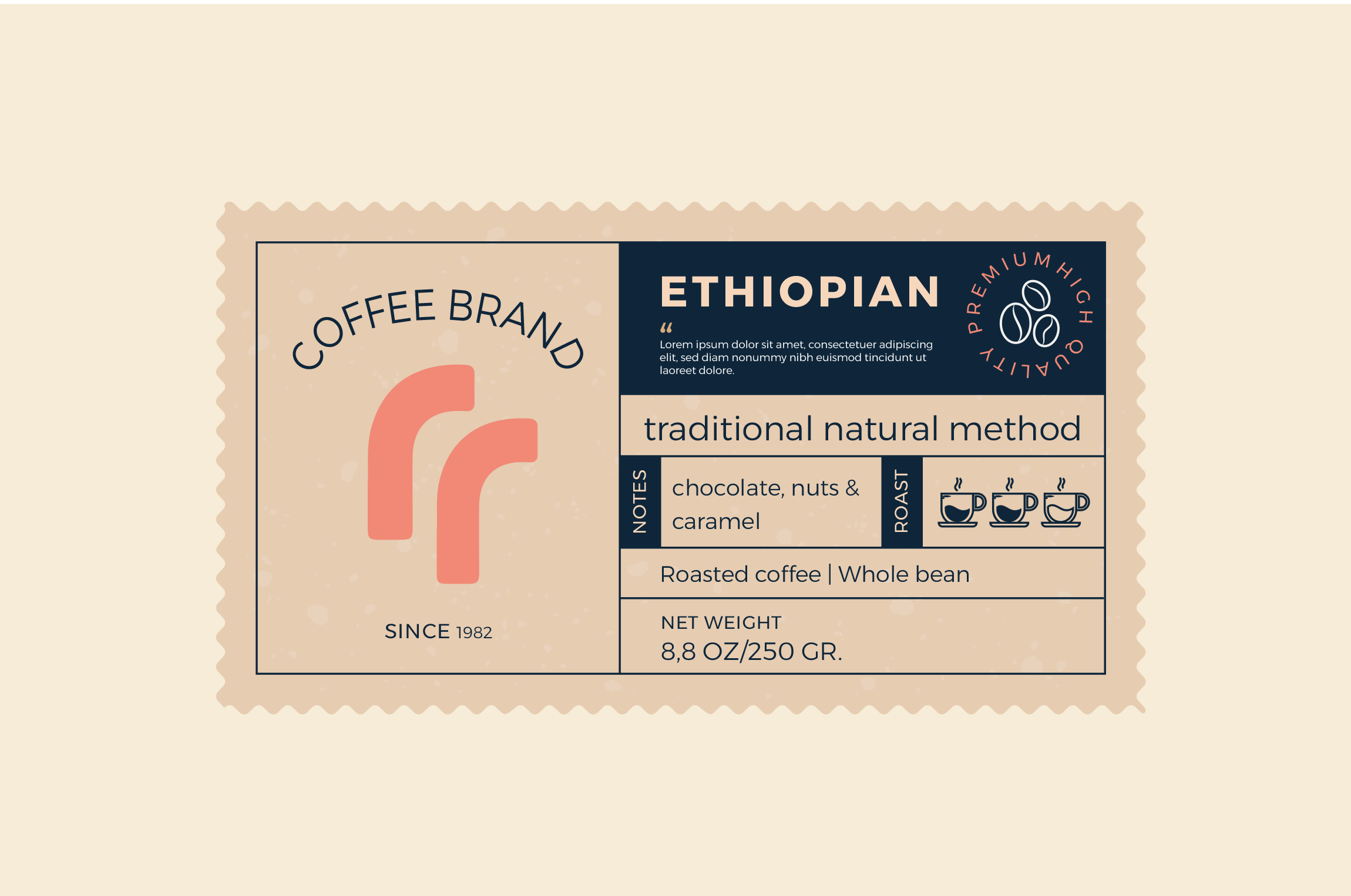
A good coffee bag has 6 things: roast date (within 14 days), origin country/farm, processing method (washed/natural/honey), variety (Bourbon, Geisha, etc.), roast level, and tasting notes. Ignore words like ‘premium,’ ‘rich,’ or ‘smooth’ — they mean nothing.
✅ Tested by Amr Taha · Brew Tech Reviewer · The Corner Bundle
Pick up any specialty coffee bag in Cairo and you’ll see ten labels, six languages, and a flavor wheel. Here’s how to ignore 80% of the noise and read the four things that actually matter.
The 6 fields that matter
1. Roast date (the most important field)
Look for a date — not ‘best by,’ but roasted on. Coffee tastes best between 7 and 21 days from roast date. Any bag without a roast date is hiding something. Egyptian summer heat shortens this window — assume 14 days max.
2. Origin
Three levels of specificity:
- Country only (‘Ethiopia’) — generic, often a blend of regions
- Region (‘Yirgacheffe, Ethiopia’) — specific terroir, more reliable flavor
- Farm + co-op (‘Kochere Co-op, Yirgacheffe’) — fully traceable, premium
The more specific, the more the roaster knows their bean.
3. Processing method
How the coffee cherry was turned into a green bean. Affects flavor more than most people realize:
- Washed — clean, bright, classic
- Natural — fruity, fermented, wild
- Honey — between the two, sweet
Full guide: Washed vs Natural vs Honey.
4. Variety / cultivar
Like grape varieties for wine. Common ones:
- Bourbon — sweet, classic
- Typica — clean, traditional
- Geisha / Gesha — floral, expensive
- SL28 / SL34 — Kenyan, blackcurrant
- Catimor / Castillo — disease-resistant, lower scoring
5. Roast level
Light, medium, medium-dark, dark. (See Roast Levels guide.)
6. Tasting notes
Should be specific: ‘blueberry, brown sugar, lemon zest.’ Generic notes (‘rich,’ ‘bold,’ ‘smooth’) are red flags.
What to ignore
- “Premium” / “Gourmet” / “Specialty” — meaningless without the SCA score
- “100% Arabica” — true of almost all specialty coffee, says nothing about quality
- “Hand-picked” — marketing fluff; almost all specialty coffee is hand-picked
- Star ratings on the bag — not a real measurement system
What a great label looks like
Yirgacheffe · Kochere Co-op · Ethiopia
Variety: Heirloom · Process: Washed
Roast: Light-Medium
Tasting Notes: Bergamot, jasmine, peach
Roast Date: 15 April 2026
Common questions
What if there’s no roast date?
Don’t buy it. Or buy it and lower your expectations — assume it’s been on the shelf 6+ months.
Are tasting notes accurate?
The good ones are. Specific notes from a reputable roaster usually match what you taste, especially with a clean brew method like V60.
Why are some bags one-way valves?
Freshly roasted coffee releases CO2 for 7+ days. The valve lets gas out without letting oxygen in — preserves freshness. A bag without a valve is either old or stored badly.